Massage therapy offers different approaches depending on what a person hopes to gain from a session. Two of the most commonly discussed styles are deep tissue massage and Swedish massage. While both aim to promote relaxation and comfort, they use different techniques and levels of pressure.
Understanding how each method works can help clients choose the type of massage that best fits their needs and preferences. This guide explains the key differences between these two styles and what people in Nairobi should consider before booking a session.
What Is Deep Tissue Massage?
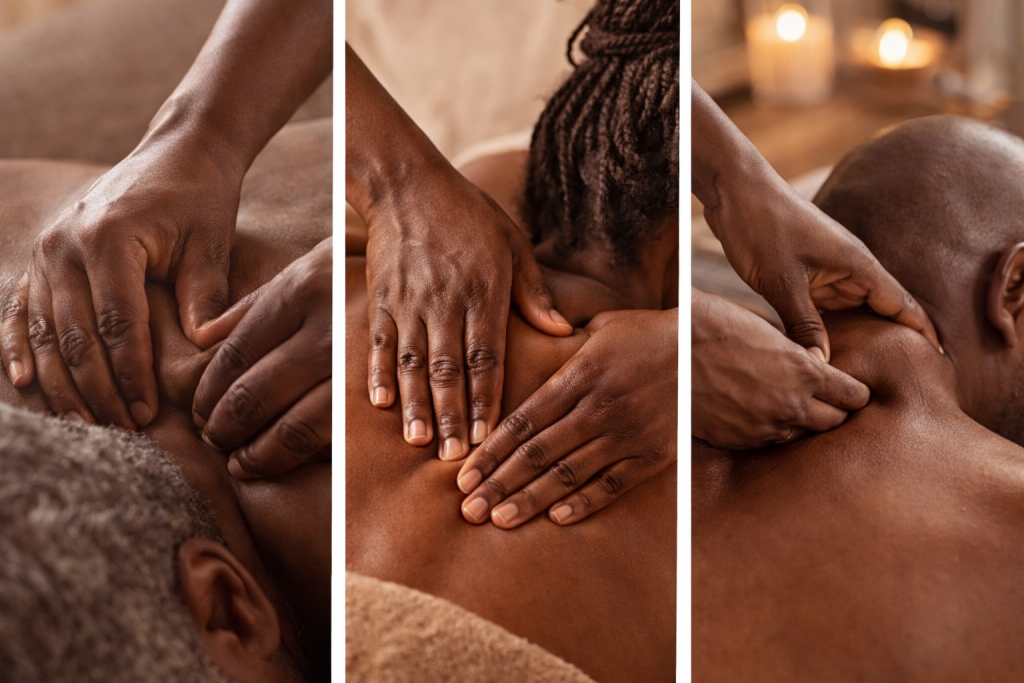
Deep tissue massage focuses on applying slower strokes and deeper pressure to areas of tension within the body. The technique targets deeper layers of muscle and connective tissue, which can sometimes feel tighter due to daily activities or long periods of sitting.
Unlike lighter massage styles, deep tissue massage often involves sustained pressure and focused work on specific areas such as the back, shoulders, or neck. Many people choose this approach when they feel persistent muscle tightness or when they prefer a massage that concentrates on particular areas of discomfort.
During a session, therapists usually communicate with clients to ensure the pressure remains comfortable and appropriate.
What Is Swedish Massage?
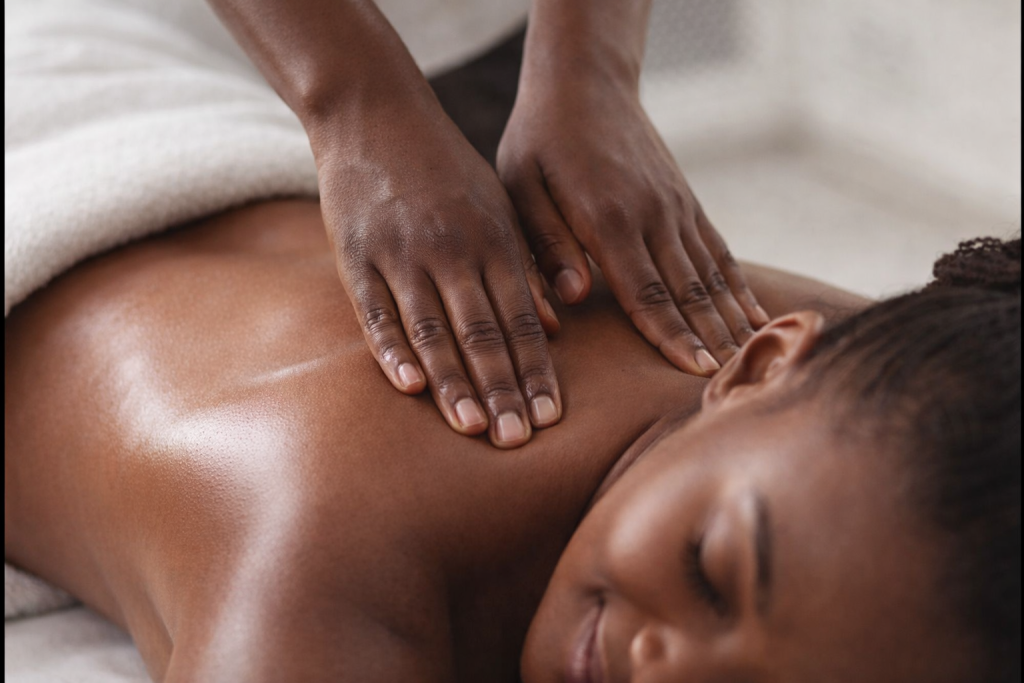
Swedish massage is known for its gentle and flowing techniques. It typically involves long gliding strokes, circular movements, and light kneading of the muscles. The overall experience is designed to encourage relaxation and help the body unwind.
This style is often chosen by people who want a calm, soothing experience rather than intense pressure. Swedish massage is also commonly recommended for individuals who are new to massage therapy because of its smooth and comfortable pace.
Sessions generally focus on the entire body, creating a balanced and relaxing experience.
Key Differences Between Deep Tissue and Swedish Massage
Although both types of massage share similar goals, the techniques and intensity can feel quite different.
| Feature | Deep Tissue Massage | Swedish Massage |
| Pressure Level | Moderate to firm pressure | Light to moderate pressure |
| Focus Area | Specific areas of tension | Full-body relaxation |
| Technique Style | Slow strokes and focused pressure | Flowing strokes and gentle kneading |
| Typical Preference | People seeking targeted muscle work | People looking for relaxation |
| Session Feel | More focused and intense | Smooth and calming |
These differences make it easier for clients to decide which approach suits their expectations before scheduling a massage session.
When Might Someone Choose Deep Tissue Massage?
Deep tissue massage is often chosen when a person prefers focused work on particular muscle groups. For example, individuals who spend long hours working at a desk may experience tightness around the shoulders or upper back.
Because the technique applies deeper pressure, therapists usually work slowly and adjust intensity based on client feedback. Communication during the session helps ensure that the pressure remains comfortable.
Many clients appreciate the targeted nature of this massage style when they want more attention directed to specific areas.

When Swedish Massage May Be a Better Option
Swedish massage tends to appeal to people who want to relax and unwind without strong pressure. The gentle strokes encourage a calm atmosphere, making it suitable for those who prefer a lighter touch.
Clients who are experiencing massage for the first time often start with Swedish techniques because they allow the body to gradually adjust to the experience.
This approach also works well for people who simply want a peaceful break from busy schedules or daily routines.
Choosing the Right Massage for Your Preferences
Selecting between deep tissue massage and Swedish massage usually depends on personal preference and comfort.
Some people prefer:
- A more focused session that works deeply into muscles
- A gentler experience that emphasizes relaxation
- A balance between pressure and comfort
A professional therapist can often adjust techniques during a session to ensure the massage remains comfortable and aligned with the client’s expectations.
How Massage Sessions Are Adapted to Each Client
No two clients experience massage in exactly the same way. Therapists often adapt techniques depending on individual comfort levels, pressure preferences, and the areas a client would like addressed.
During a consultation, therapists typically ask questions about:
- Preferred pressure level
- Areas of tension or fatigue
- Overall comfort during the session
This allows the massage experience to remain both professional and personalized.
Clients who prefer a session at home may also consider services such as Mobile Massage in Nairobi, where therapists bring the necessary equipment and setup directly to the client’s location.
Why Understanding Massage Styles Matters
Learning the difference between massage techniques helps clients make informed decisions before booking a session. Knowing what to expect can also make the experience more comfortable, especially for first time clients.
While deep tissue massage emphasizes targeted pressure, Swedish massage focuses more on relaxation. Both approaches can provide a calm and restorative experience depending on personal preference.
Taking time to understand these options allows individuals to choose the style that best aligns with their comfort level and goals.
Frequently Asked Questions
What is the main difference between deep tissue massage and Swedish massage?
Deep tissue massage uses deeper pressure and slower strokes to focus on specific areas of tension. Swedish massage uses lighter, flowing movements that emphasize relaxation.
Is deep tissue massage stronger than Swedish massage?
In many cases, deep tissue massage involves firmer pressure than Swedish massage, although therapists usually adjust the intensity based on a client’s comfort level.
Which massage is better for first-time clients?
Many first time clients prefer Swedish massage because it is gentler and focuses on relaxation. However, preferences vary depending on the individual.
Can a massage therapist combine both techniques?
Yes. Therapists often adapt their approach during a session and may blend techniques from different styles depending on the client’s needs.
How do I know which massage style to choose?
Discussing preferences with a therapist before the session can help determine whether deep tissue massage or Swedish massage would be the most comfortable option.
Finding the Right Massage Experience
Understanding the differences between massage styles can help people choose the type of session that suits them best. Whether someone prefers focused pressure or a more relaxing approach, selecting the right technique can make the experience more enjoyable.For those looking for convenience and comfort, booking a mobile massage in Nairobi allows professional therapists to provide a calm and personalized session directly at home.